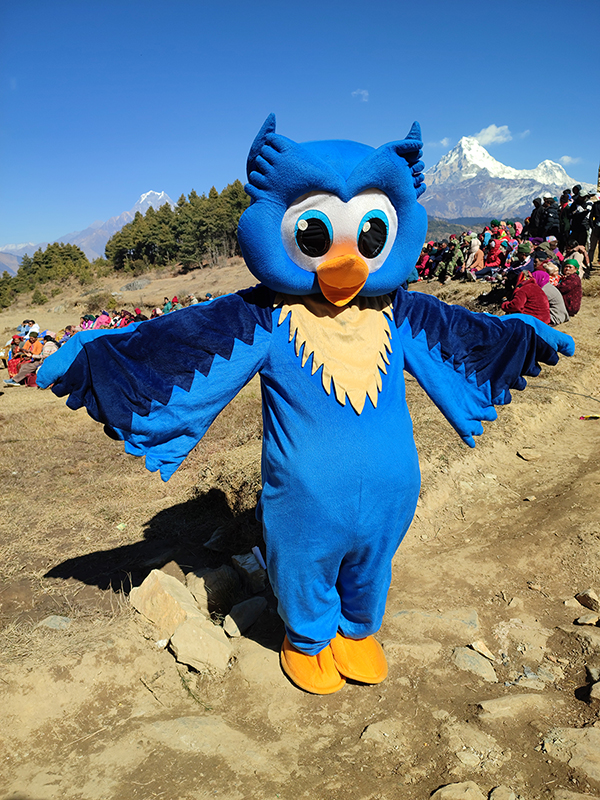
Assessment and Mitigation of Human–Wildlife Conflict in Syangja District, Nepal
Project Leader: Sangam Poudel
Location: Putalibazar Municipality Ward No. 2, Rangbhang, Syangja District
Funding Agency: The Rufford Foundation, UK
Globally, human–wildlife conflict is a growing conservation concern that threatens both biodiversity and human livelihoods. The number of incidents is soaring particularly in Nepal’s mid-hill regions. This is due to unplanned development activities and expanding human settlements, which encroach upon vital wildlife habitats. The project site is Rangbhang, Syangja, Nepal which is ecologically significant providing home to three of Nepal’s endemic wild species, Spiny Babbler (Acanthoptila nipalensis), Csorba’s Mouse-eared Myotis (Myotis csorbai), and Mahabharat Torrent Frog (Amolops mahabharatensis). However, the area is witnessing increasing incidents of conflict involving species such as leopards (Panthera pardus), Indian crested porcupines (Hystrix indica), and wild boars (Sus scrofa), leading to frequent cases of crop damage, livestock depredation ultimately resulting into retaliation through local community. Despite these challenges, there is a lack of concrete data to understand the scope and severity of the conflict.
The project is designed to conduct following activities:
- Assess the extent, pattern, and trends of human–wildlife conflict through questionnaire surveys with the locals and on-ground verification of the incident.
- Sensitize of local students and community stakeholders on human-wildlife coexistence.
- Conflict mitigation by supporting predator-proof corrals and ecotourism promotion.
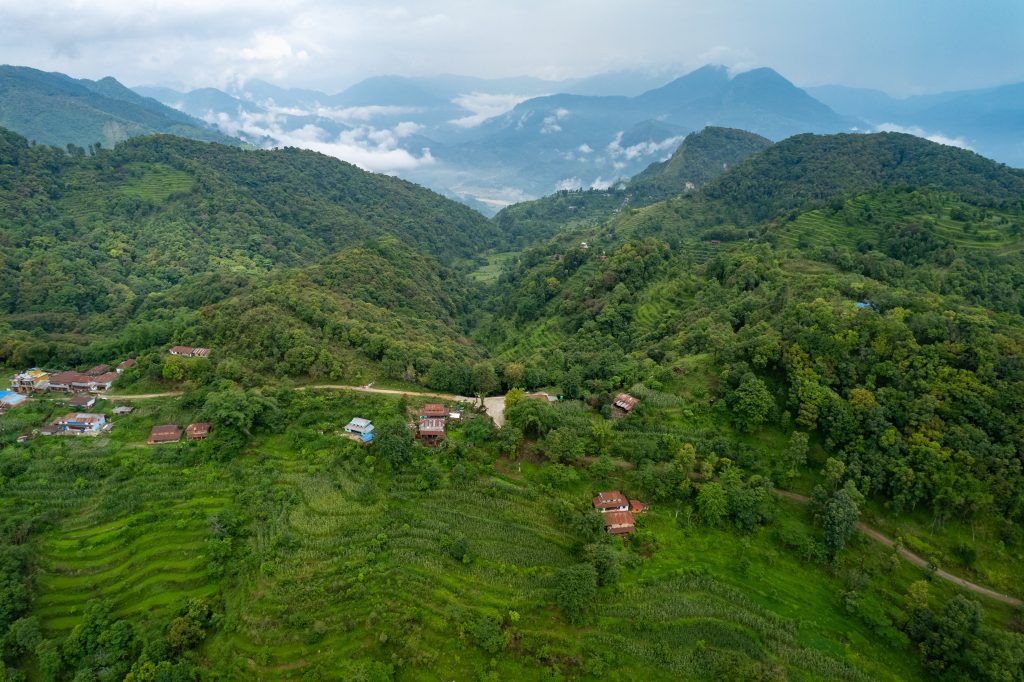
Strengthening Community-led conservation of Endemic Bat in Syangja district, Nepal
Project Leader: Barsha Adhikari
Location: Rangbhang-Bhainsegauda, Syangja District
Funding Agency: The Rufford Foundation, UK
Myotis csorbai is one of Nepal’s least-known bats restricted to only two known locations. The endemic bat depends heavily on intact cave ecosystems and surrounding habitats. Despite its ecological importance as an insect eating species, its habitat continues to face multiple pressure from degradation of foraging site, pesticides use and human disturbance around roost site.
The project site (Rangbhang-Bhainsegauda) comprises mosaic of streams, forests, caves, and human settlements. The surrounding habitat is inhabited by indigenous Gurung and Magar communities, relying on chemical inputs for farming, unintentionally reducing insect diversity- essential food of bat. These communities, who often have misconceptions regarding the species. Without proper ecological awareness, the misconceptions are being fueled and resulting in minimal stewardship.
The project will address these gaps by promoting bat friendly farming practices, further improving foraging ground, and implementing targeted conservation interventions. These actions will benefit local communities by supporting healthier farming system as well as improve bats foraging, strengthen eco-tourism opportunities.
The project will work towards achieving following objectives:
- Improve foraging habitat quality of M. csorbai
- Increase conservation awareness and stewardship for bat conservation among youth and local communities.
- Strengthen public communication and outreach leading to increased awareness
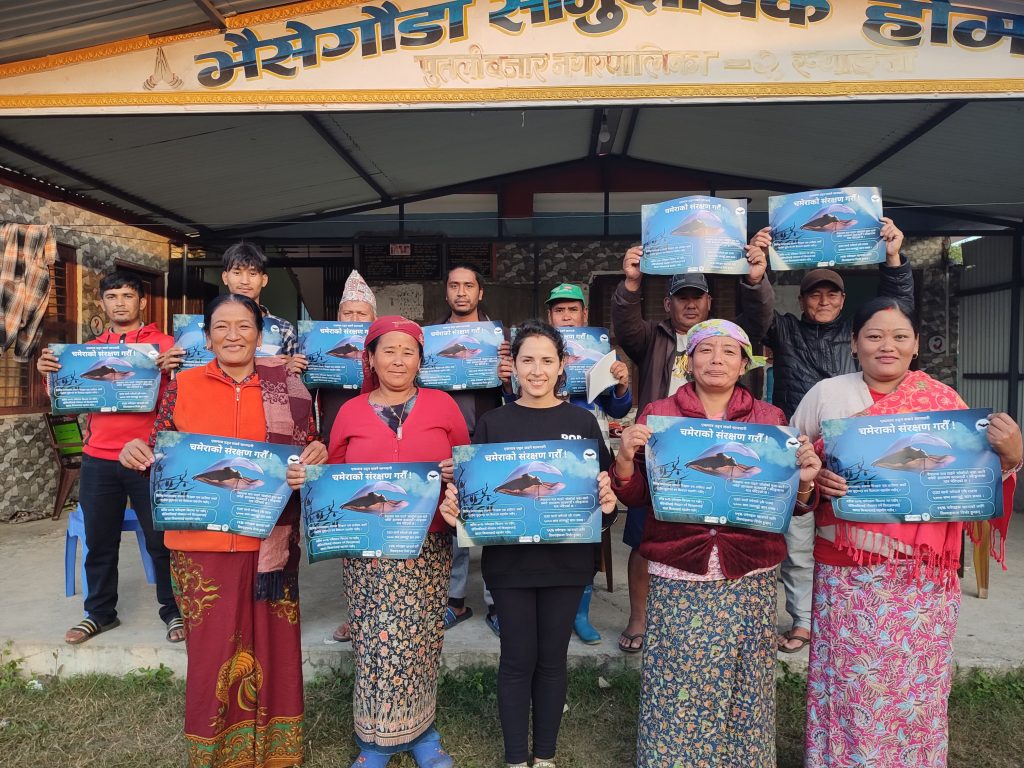
Plantation Project in Dhading Nepal
Location: Dhading, Nepal
Funding Agency: Stiftung Unternehmen Wald, Germany
Native biodiversity loss disrupts ecosystems and reduces essential services like clean air, water, and crop pollination. Planting native seedlings is crucial for conservation as they adapt well to local conditions and support wildlife. Community involvement enhances environmental stewardship, raises awareness, restores habitats, and strengthens ecosystem resilience, ensuring long-term sustainability.
The project aims to achieve following activities:
- Plant 7,000 native seedlings and secure with fencing.
- Involve indigenous people, local communities, and the Local Forest User Group in the plantation.
- Regularly monitor and replant dead or damaged seedlings the following year.
- Ensure native biodiversity conservation and enhance ecosystem services.
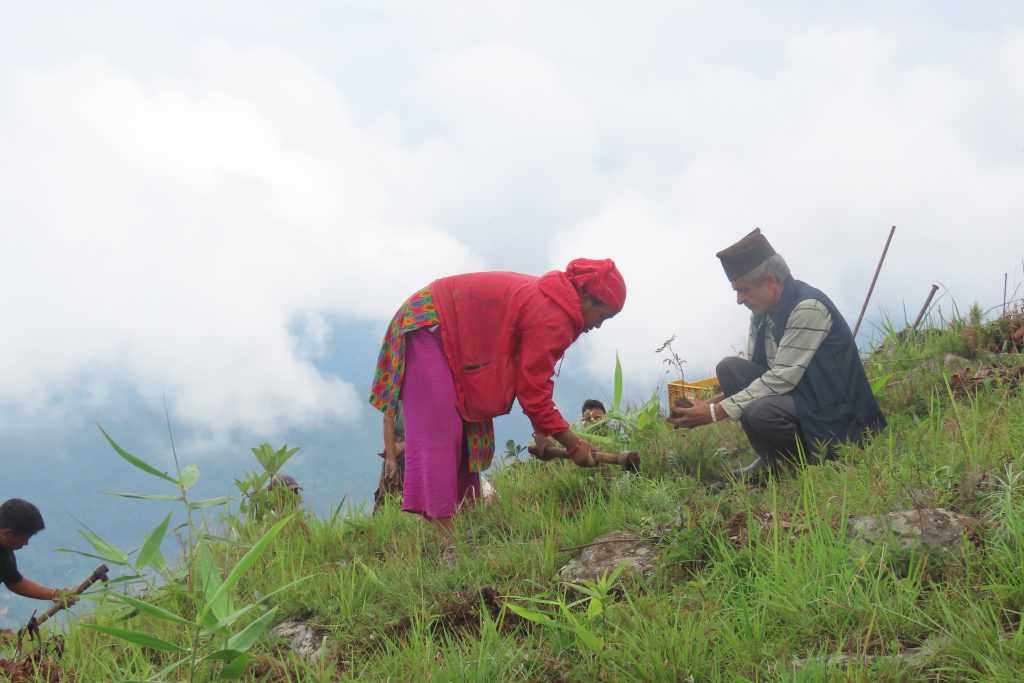
Promoting Tourism through Whistling Hunters, Nepal
Project Leader: Raju Acharya
Location: Annapurna Conservation Area (Tangting), Kaski, Nepal
Funding Agency: European Outdoor Conservation Association (EOCA), Switzerland, Dhole Conservation Fund (DCF), USA
The Asiatic Wild Dog, or Dhole, has recently reappeared in the Annapurna landscape after a 30-year local extinction. However, this recolonization is threatened by habitat fragmentation, unmanaged solid waste from tourism, and negative community perceptions that historically led to their disappearance. As Tangting Village attracts roughly 20,000 tourists annually, there is an urgent need to balance infrastructure development with the conservation of this “Whistling Hunter.”
The project is designed to conduct following activities:
- Restore and protect habitat through regular patrolling, the removal of snares, and the construction of water holes in core Dhole habitats.
- Develop sustainable tourism by creating 10km of mountain bike trails and establishing a tourist information center to promote responsible travel.
- Empower local livelihoods by training 10 youths as nature guides and providing “waste-to-handicraft” training to the community.
- Mitigate environmental impact through organized cleanup events and the promotion of alternative livelihoods that reduce dependency on forest resources.
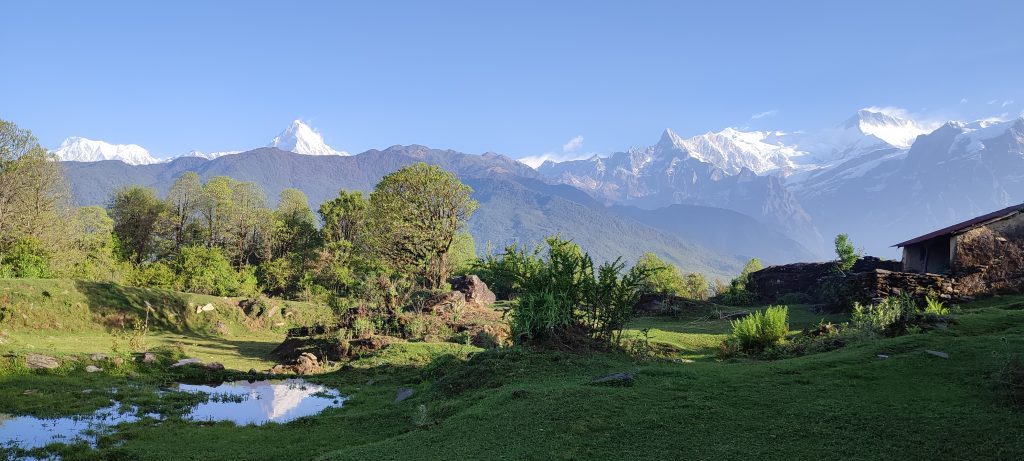
Community based Conservation Strategies for Dholes in Lower Annapurna Conservation Area, Nepal
Project Leader: Prabal Bir Jung Rana
Location: Sikles and Tangting villages, Madi Rural Municipality, Annapurna Conservation Area, Nepal
Funding Agency: The Rufford Foundation, UK
The Asiatic wild dog, or dhole, was historically widespread across Nepal’s mid-hills but has declined drastically due to hunting, snaring, and habitat loss. Recent camera trap surveys in the Annapurna Conservation Area indicate a fragile recolonization. However, ongoing livestock losses and human-wildlife conflict contribute to negative perceptions among local communities, which can hinder the species’ recovery. Understanding these perceptions and the history of coexistence is essential for ensuring a sustainable future for dholes in the region.
The project is designed to conduct following activities:
- Assess community views and perceptions toward dholes through structured interviews and two-way dialogues with forest-dependent households and herders.
- Raise conservation awareness by conducting educational camps and school-based workshops to highlight the dhole’s ecological importance.
- Strengthen local leadership by engaging youth in participation programs designed to build stewardship for wildlife protection.
- Promote sustainable coexistence by combining traditional knowledge with modern conservation strategies to reduce negative human-wildlife interactions.
- Encourage sustainable land-use practices that support both local livelihoods and the long-term habitat needs of the dhole population.
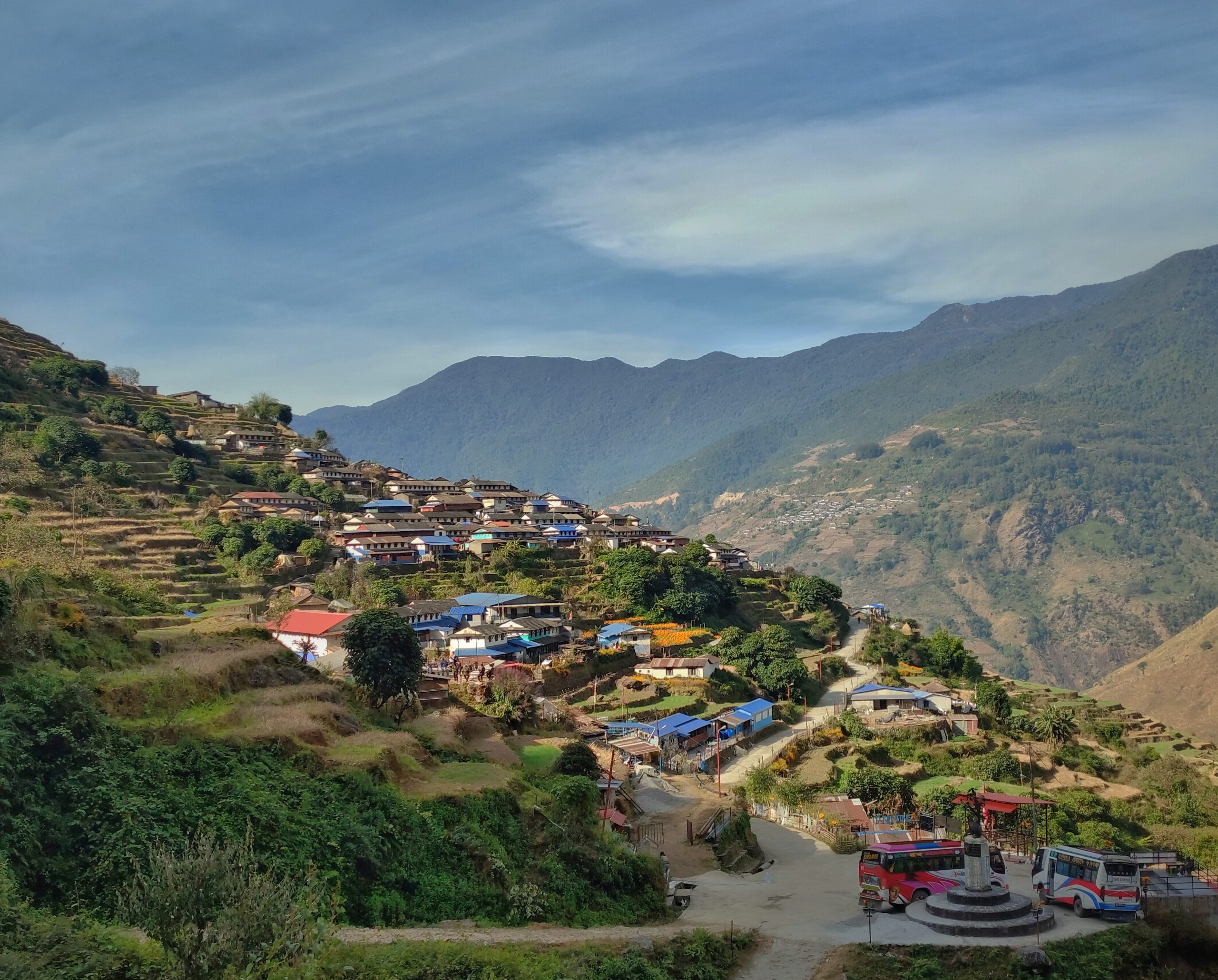
Wings of Hope: Conservation Awareness and Habitat Quality Mapping of Bengal Florican in Eastern Nepal
Project Leader: Aabha Pokharel
Location: Koshi Tappu Wildlife Reserve
Funding Agency: The Rufford Foundation, UK
Bengal Florican is a Critically Endangered species, which is facing rapid decline in the protected areas of Nepal. The grassland of Koshi Tappu Wildlife Reserve is one of the important remaining habitats however, the continuous habitat loss, degradation, and high dependency of local people in grassland is further increasing the risk of local extinction. In this dire scenario, this project seeks to combine the field research with conservation awareness to generate the science-based knowledge about Bengal Florican ecology and its habitat.
The project is designed to conduct following activities:
- Population Monitoring surveys on selected grassland patches
- Habitat Quality Assessment and Habitat Quality Mapping
- Threat identification and ranking by direct field observation
- School awareness camps about ecology and conservation of species
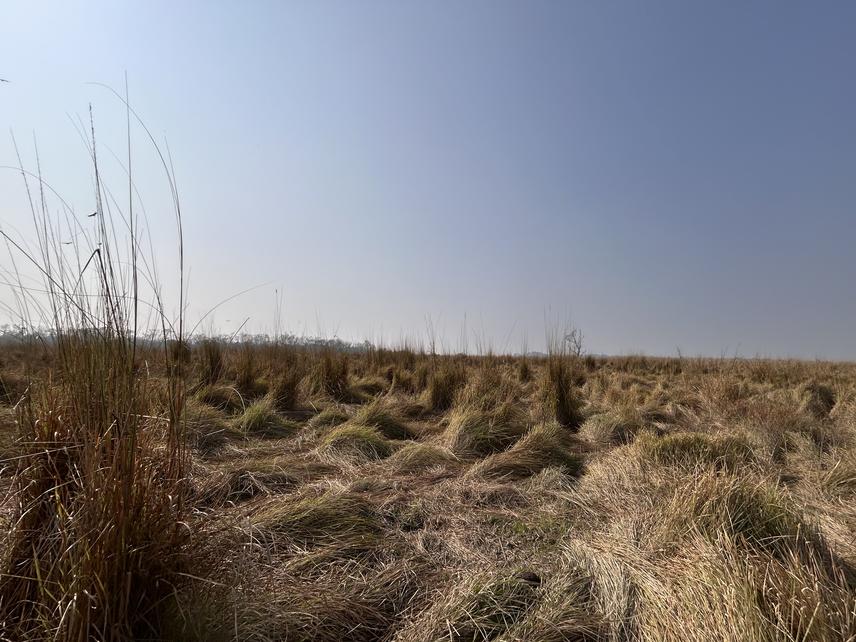
Wildlife Research Techniques Training
Project Leader: Raju Acharya
Location: Syangja, Nepal
Funding Agency (financial and technical): Bernd Thies Foundation, Switzerland; Accordeos Foundation, Switzerland
Nepal’s wildlife research, starting with tigers and leopards in the 1970s, now faces a gap in formal training for students eager to work on lesser-known species. A 19-day in-field training program aims to address this by offering sessions on wildlife policy, statistics, camera trapping, research design, scientific writing, and media, along with field visits for various species. Participants will gain crucial skills and network with biodiversity experts and peers.
The project aims to achieve following activities:
- Train 26 early-career university students in wildlife research techniques.
- Foster a strong network between trainees and biodiversity experts.
- Offer a six-month online internship with FON Nepal.
- Monitor and guide trainees’ work during and after the internship.
- Review research proposals and provide feedback to secure funding.
- Provide technical and financial support as needed.
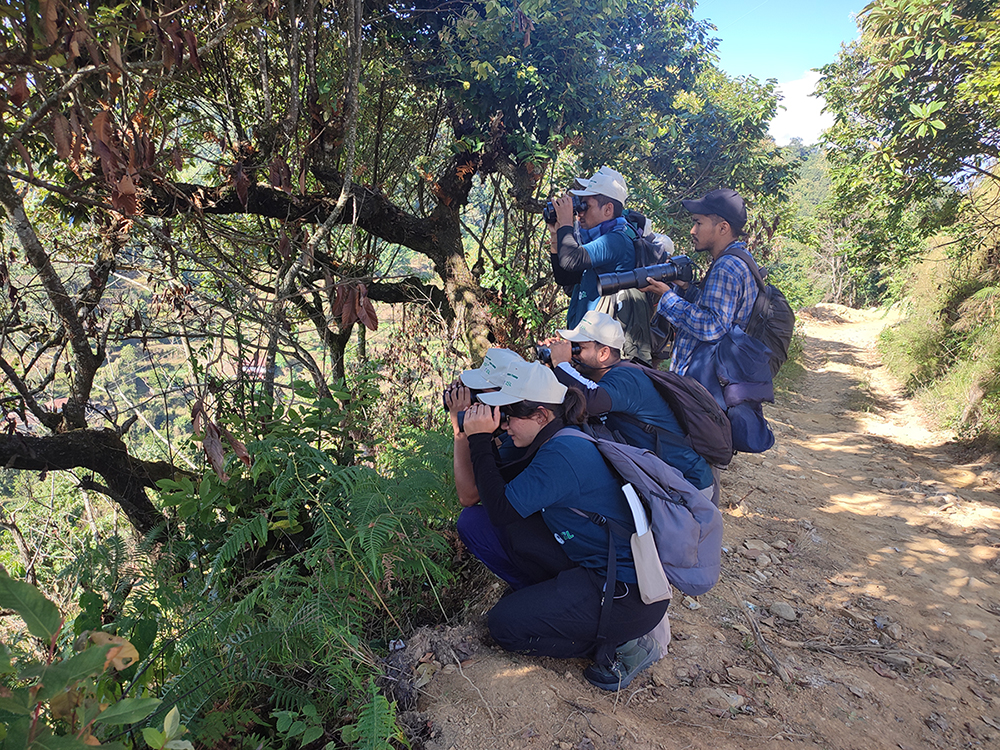
Nepal Owl Festival
Project Leader: Raju Acharya
Funding Agency: Bernd Thies Foundation, Switzerland
Nepal hosts 23 of the world’s 225 owl species, with 9 threatened. Key threats include illegal trade, superstitions, habitat destruction, and lack of data. Annually, around 1500 owls are smuggled to India and China. Despite their ecological role, owls get less conservation focus compared to larger animals. The Government of Nepal’s Owl Conservation Action Plan aims to raise awareness, curb illegal activities, and foster partnerships. The Nepal Owl Festival supports these goals by combining conservation efforts with local culture, cuisine, and traditional games.
The project is designed to achieve following objectives:
- Raise awareness among locals, organizations, media, and political leaders to discourageowl hunting and trade.
- Build local capacity for bird conservation through ‘Owl Conservation Camps’ in schools and Community Forest User Groups.
- Recognize and honor conservationists working on owls in Nepal and nearby countries.
- Promote ecotourism by attracting visitors and showcasing local wildlife and culture.